
Alex’s Take on Loneliness & Isolation. Public Enemy #1
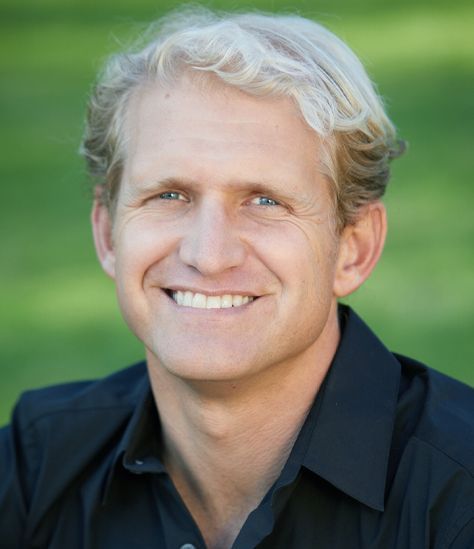
A man in a black shirt is smiling for the camera

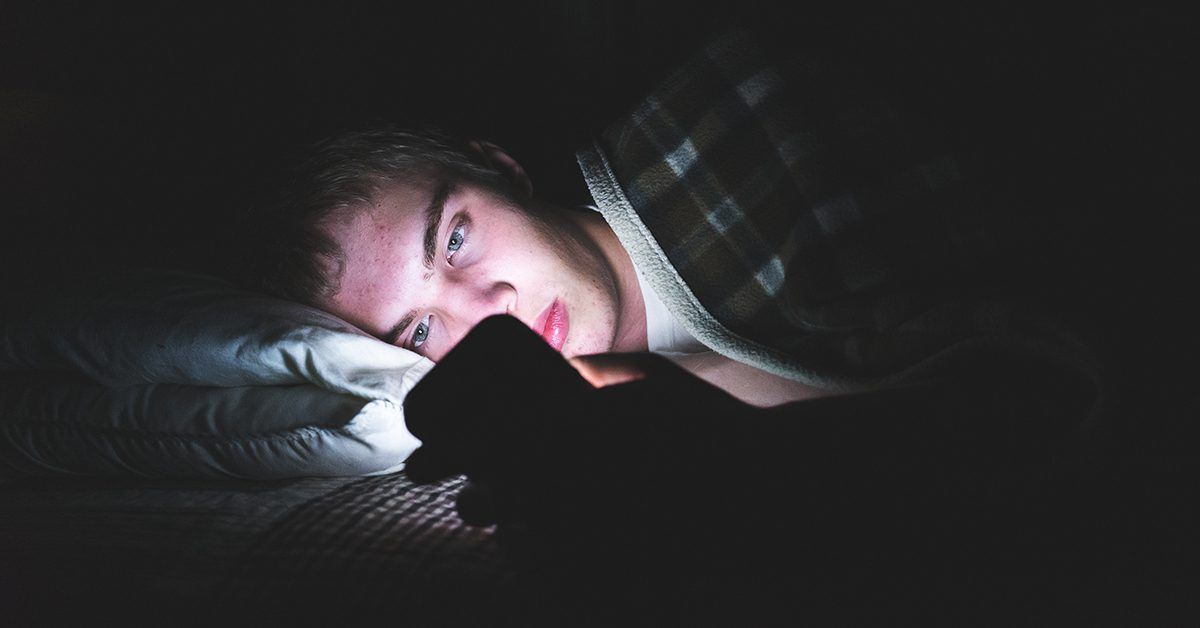
If you had asked me 10 years ago what my biggest concern for young people was, I would probably have said something along the lines of driving dangerously under the influence, getting caught up in unhealthy drug-related peer groups, and other high-risk reckless behaviors. I would not have said my biggest concern for young people was loneliness & isolation.

As we saw in the news earlier this month, Dr. Vivek Murthy, the U.S. Surgeon General, declared loneliness & isolation a nationwide epidemic. When I first read the article, I wasn’t stunned by any of it, yet I was glad the federal government recognized it as a very serious problem. At The Grounds & Mares House, we are constantly seeing more clinical testing and client histories of addiction & self-harm through modes of isolation. It is now very clear to us as an organization that because of social media and device addiction, isolation is the most dangerous behavior young adults can engage in. This was not the case when I was an adolescent or young adult.


So, what do we do about it? From a programmatic standpoint, isolating and spending too much time on social media is dangerous, and if young adults residing at any of our transitional living houses have the opportunity to isolate, it’s an indicator that we are not doing our jobs.

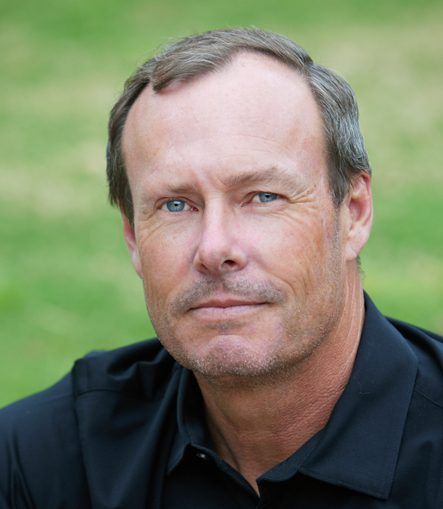
A man with a beard and blue eyes is wearing a black shirt and looking at the camera.

Our Program Director, Cannon Kristofferson puts it best, “If you want a program to be successful, you must keep the container tight. This does not mean controlling every move they make. This means keeping your finger on the pulse of where your clients are at all times.”

This also refers to “chill time.” My belief is that no client should have the autonomy to be in their bedrooms with the door closed for hours on end…ever! It’s a different world today, and young people are dealing with a whole new set of issues. Stimulating activities and structured schedules are more important than ever, and if we have to force our clients to make connections with people, we must hold that boundary. Here is a quote from Dr. Murthy: “Given the profound consequences of loneliness and isolation, we have an opportunity, and an obligation, to make the same investments in addressing social connection that we have made in addressing tobacco use, obesity, and the addiction crisis.”


One of our main focuses at Mare’s House and The Grounds is to help young adults build self-esteem. Most will not do that on their own. That’s why we are here to provide coaching, guidance, support, and opportunities for our residents to go outside their comfort zones in order to cultivate friends, mentors, employment, and good grades. As the world and industry evolve, The Grounds and Mare’s House will never waiver in this mission.

Find Out More About Our Program

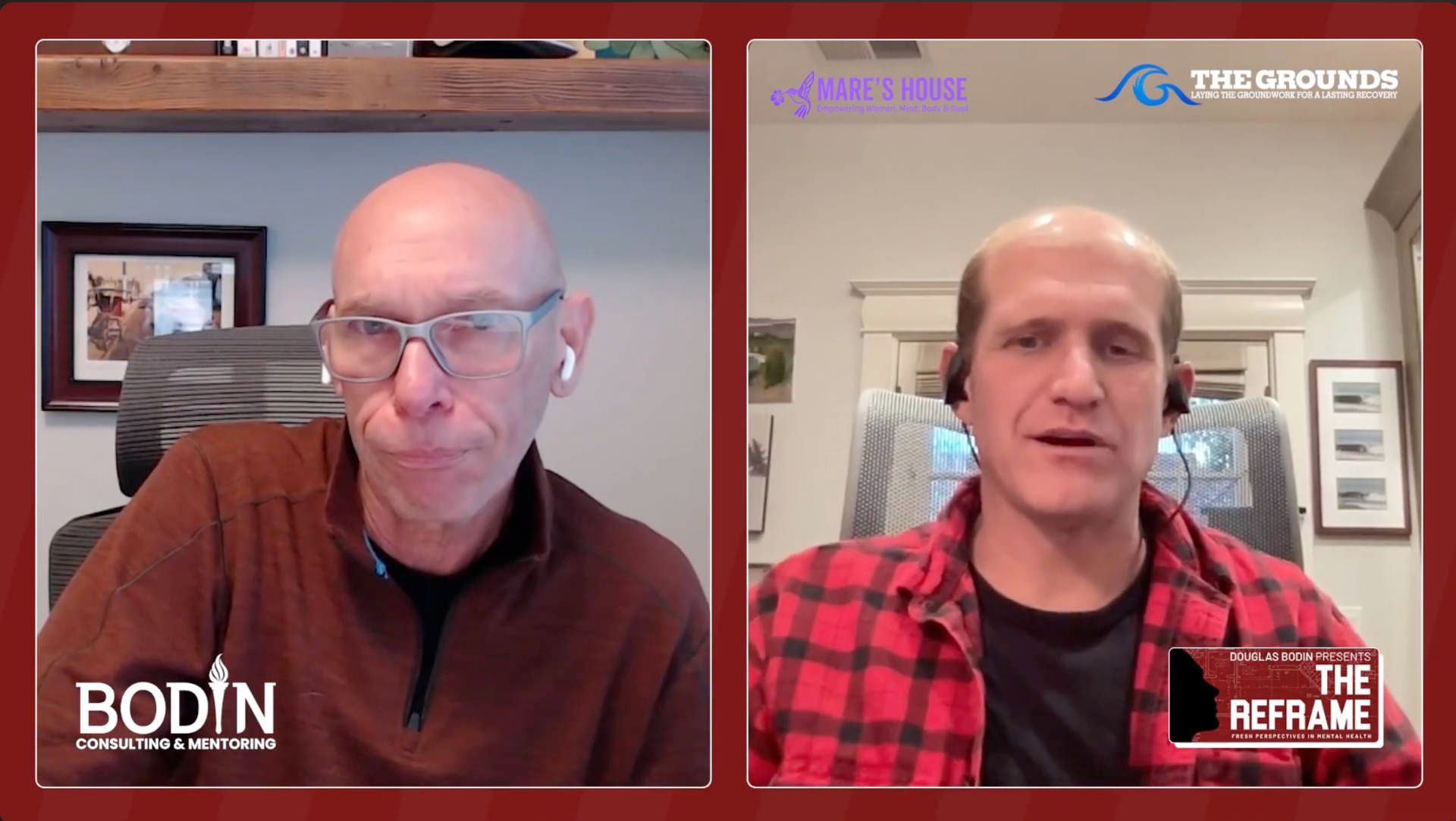
Douglas Bodin with Alex Zemeckis in the Reframe interview
August 26, 2026
Sitting down with long time friend and colleague Douglas Bodin, Alex shares his journey from addiction to leadership and how the questions he asked at 19 shaped the recovery programs he leads today. Alex also shares why meaningful work matters, why families need support too, and how compassion for parents can transform recovery. A deeply human conversation about integrity, purpose, and living in alignment with who you truly are.
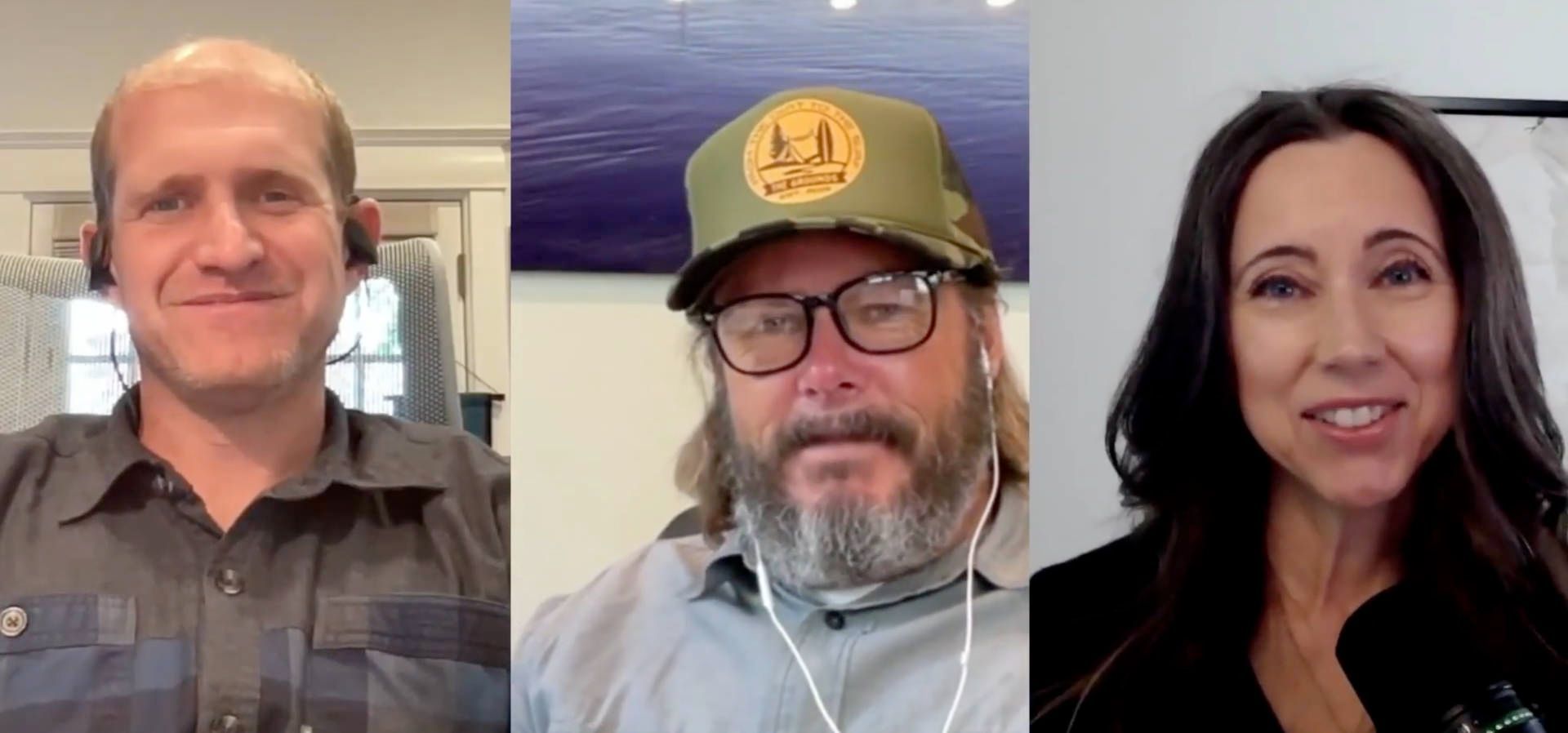
Hope Stream's Brenda Zane interviews Alex Zemeckis and Cannon Kristofferson
August 26, 2026
Preparing young adults for real-world sobriety means helping them build the skills and confidence to navigate life independently. That includes vocational programming, part-time work, appropriate parental support, and opportunities to experience failure, learn from it, and work through challenges. In this conversation with Hope Stream's Brenda Zane, both Alex and Cannon stress the importance of a vocational program and how it impacts young adults in recovery.
More Posts